


Air Jordan Kicks Compared: High-Top vs Low-Top Versions
Choosing between high-top and low-top Air Jordan sneakers is one of the most common decisions facing sneaker enthusiasts in 2026. Both styles carry decades of basketball history and streetwear clout, yet they serve distinctly different needs on and off the basketball court. High-top models characterized Michael Jordan’s career, providing the ankle stability that assisted him command the NBA through six championship-winning seasons. Low-top models, in contrast, emerged as a fashion-oriented alternative that prioritizes unrestricted movement and warm-weather versatility. Understanding the true differences between these two constructions can save you from buyer’s regret and help you build a more well-rounded collection. In this matchup, we compare performance, everyday comfort, fashion, and value so you can reach a smart decision on your upcoming pair of Air Jordans.
The History Behind Both Silhouettes
When Peter Moore created the debut Air Jordan 1 in 1985, high-top design was the absolute norm for basketball footwear. The high collar hugged Michael Jordan’s ankle and became an defining design feature that Nike promoted intensely during the “Banned” marketing campaign. It was not until the Air Jordan 11 Low launched in 1996 that Jordan Brand genuinely ventured into the low-cut design for a numbered model. That launch proved that fans would embrace a reduced version of an already popular shoe, paving the way for low-top versions of almost every numbered Jordan. By the mid-2000s, low-cut Jordans had become a summer staple, regularly depleting alongside their high-top equivalents. Presently in 2026, Jordan Brand releases nearly similar quantities of high-top and low-top colorways each quarter, reflecting even market demand across both formats.
Ankle Protection and Basketball Performance
High-top Air Jordans reach 2 to 3 inches above the ankle, establishing a firm collar that minimizes ankle rolling during hard movements and jumps. Shoes like the Air Jordan 1 High and Air Jordan 12 employ foam-padded collars combined with rigid heel stabilizers to support the entire foot during game situations. According to a 2024 study published in the British Journal of Sports Medicine, high-top basketball sneakers lowered the incidence of sprained ankles by approximately 28 percent compared to low-cut alternatives in amateur athletes. Low-top Jordans, get your jordan sneakers right here such as the Jordan 1 Low and Jordan 11 Low, give up some of that structural support in favor of less mass — frequently removing 50 to 80 grams per shoe. For weekend warriors who run casual games once or twice a week, that lighter build results in faster first steps and reduced fatigue over extended sessions. The trade-off is real, though: if you have a history of ankle injuries, a high-top sneaker with correct lacing remains the more secure selection for any basketball play.
Comfort for All-Day Wear
Away from the hardwood, wearability concerns transform entirely, and low-top models commonly gain the advantage. The reduced collar height eliminates the irritation that high-tops can generate against the Achilles tendon during extended walking. Many owners report that Jordan Lows feel comfortable after just two or three wears, while high-tops may require five to seven wears before the ankle cushioning fully conforms. Cushioning technology remains identical across both constructions — the Air Jordan 1 uses the same Air sole unit no matter the height, and the Jordan 11 retains its full-length Air unit in both versions. Warmth is another important factor: low-cut models allow much better ventilation around the ankle area, rendering them the ideal choice for spring and summer when overheating becomes an concern. For colder months or long days on your feet, the warmth offered by a high-top collar can actually work in your favor, keeping warmth contained around the joint.
Aesthetic Impact and Wardrobe Versatility
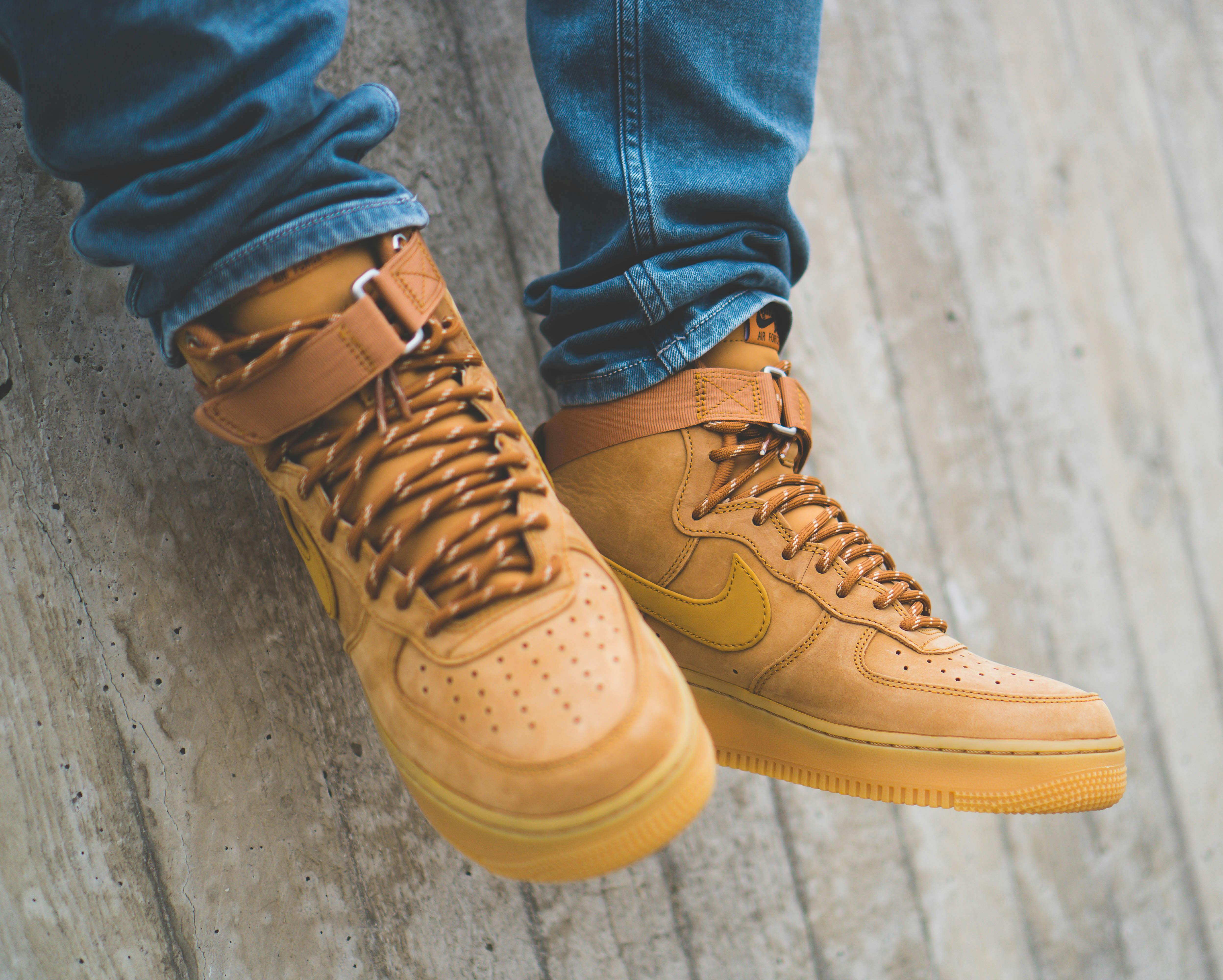
From a aesthetic angle, high-top Air Jordans grab interest and work as a statement piece in any outfit. The Air Jordan 1 High, in editions like Chicago, Bred, and Royal, reliably sits among the most photographed sneakers on Instagram and TikTok, generating millions of tags on Instagram alone. High-cut Jordans pair best with slim-fit or tapered trousers, joggers, and athletic shorts that enable the full silhouette to be visible — burying a high-top under loose jeans defeats its aesthetic impact. Low-top Jordans, on the other hand, offer a slimmer shape that pairs seamlessly with a greater range of looks, encompassing straight-leg jeans, chinos, and even smart-casual trousers. Fashion-forward shoe lovers in 2026 commonly style low-cut models as a bridge shoe that connects streetwear and business-casual settings. The versatility factor gives low-cut models a slight advantage for sneakerheads who desire a one pair to handle different dress codes throughout the week.
Color and Material Differences
High-top Air Jordans typically include more canvas, which permits design teams to include multiple color blocks and contrasting textures across the upper. This extra real estate is why celebrated colorways like the Jordan 1 High “Union LA” and “Travis Scott” collaborations appear so visually striking — there is just more space to work with. Low-cut models reduce that same design language into a reduced canvas, which can either seem sleeker or appear cluttered depending on the color combination. Leather, nubuck, suede, and patent leather all show up across both cuts, though premium materials tend to show up more regularly in high-top special editions. In terms of durability, the added construction on a high-top means a bit more shielding against scuffs around the ankle area. Buyers intent on keeping their Jordans fresh for years often prefer high-tops for this real-world reason alone.
High-Top vs Low-Top: Head-to-Head Comparison
| Feature | High-Top Air Jordans | Low-Top Air Jordans |
|---|---|---|
| Ankle Protection | Excellent — wraps above ankle bone | Low — rests under the ankle bone |
| Average Weight | 400–500 g per shoe | 340–420 g per shoe |
| Best Season | Fall / Winter | Spring / Summer |
| Outfit Compatibility | Streetwear, athletic | Street, casual, business-casual |
| Break-In Period | 5–7 wears | 2–3 wears |
| Resale Markup | Usually higher | Moderate |
| Breathability | Average | Superior |
| Standard Retail Price | $170–$200 | $130–$170 |
Resale Value and Collectibility
In the secondary market, high-top Air Jordans have consistently attracted higher markups than their low-cut versions. Sales data from StockX reveals that the Air Jordan 1 High OG averages a 40 to 60 percent premium over MSRP in desirable editions, while the Jordan 1 Low OG commonly posts a 15 to 30 percent premium. Exclusive high-tops, notably those connected with collabs with fashion figures like Virgil Abloh or Travis Scott, have hit secondary market prices above $2,000 in unworn condition. Low-tops are increasingly close that gap, however, as Jordan Brand invests more heavily in dedicated low-profile drops targeting lifestyle consumers. The Travis Scott x Air Jordan 1 Low Reverse Mocha, for example, traded at far above $1,500 on resale platforms throughout 2023 and 2024. For buyers interested in long-term investment, high-cut Jordans persist as the more secure investment, but the Jordan Low market is growing fast and deserves attention.
Reaching Your Choice
Your selection at the end of the day comes down to how and where you intend to use your Air Jordans. If on-court performance is important to you — even at a pick-up level — the structural advantages of a high-top are hard to ignore, and the added ankle support can avert injuries that would keep you out for weeks. For all-day wear across different environments, a low-top Air Jordan provides unparalleled adaptability, a lighter build, and an quicker break-in process that works perfectly with a busy routine. Price-sensitive consumers will also appreciate that Jordan Lows commonly sell for $20 to $40 cheaper than their high-cut equivalents, extending your sneaker budget additionally. If possible, a complete rotation has at least one of each: a high-top for bold outfits and fall and winter, and a low-top for casual spring and summer styling. Evaluate your existing wardrobe, consider your lifestyle, and consider your regional weather before pulling the trigger. Whichever format you pick, you are purchasing a design rooted in over 40 years of design innovation from Jordan Brand.
The Ultimate Assessment
The high-top versus low-top debate has no universal winner because both constructions shine in different contexts. High-top Air Jordans bring superior joint protection, higher resale markups, and a more dramatic visual statement that dominates street style photos and sneaker meetups. Low-top Air Jordans offer lighter construction, faster adjustment times, greater fashion versatility, and a more accessible price point for beginning collectors. In 2026, Jordan Brand keeps on evolve across both silhouettes, launching new cushioning systems and green materials that enhance both options year over year. The wisest approach is to judge each drop on its individual strengths rather than using a rigid preference for one cut over the other. Whether you rock high-tops for a weekend sneaker meet or throw on lows for a warm-weather gathering, the Jumpman logo on your foot holds the same storied significance.